Language and Communication in Paraguay
By: Kaitlyn Howerton
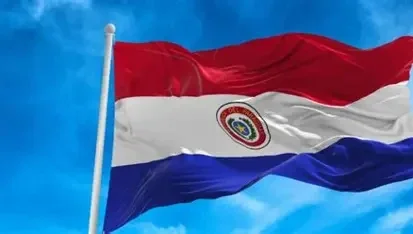
As it has already been discussed in previous segments in this website. Paraguay is a country in South America known for its cultural diversity and bilingual population. Unlike countries with only one official language, Paraguay recognizes both Spanish and Guarani as official languages. Sense Spanish is widely used in government, education, everyday communication, and in a majority of surrounding countries. Guarani is an indigenous language that is also spoken throughout the country and plays an important role in Paraguayan identity and traditions. According to the Paraguayan government's Ministry of Foreign Affairs, both languages are recognized as official, and the country also values its other indigenous languages. This makes Paraguay an interesting example of how languages can coexist within one national culture. I believe as we look at the language used in Paraguay that it be important to note that language is not something that stays the same forever. New words and expressions become popular through social media, music, television, and interactions with friends. For example, American teenagers might use phrases such as "lock in" when they mean focus, work hard, or take something seriously. Can the same be applied to Paraguay?
English as a Lingua Franca
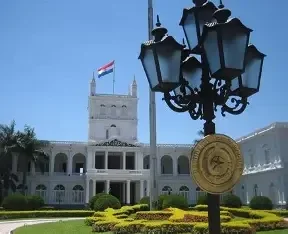
According to ThoughtCo's explanation of a lingua franca, it is a language used by people who speak different native languages to communicate. English is a common lingua franca, helping people from different countries talk to each other easily. English online in cyberspace helps people around the world to connect and share ideas quickly. In a way English serves this purpose in many parts of the world, including international travel and business. Using English as a lingua franca in Paraguay could make communication easier in some tourist areas, hotels, and businesses. However, from the research I have done I do not believe that everyone speaks English or feels comfortable using it, especially in Paraguay. If I relied only on English, I might struggle to communicate with people who primarily speak Spanish or Guarani. Learning basic Spanish phrases would be more helpful when trying to communicate in Paraguay, especially to help me ask questions, understand directions, and interact more confidently with local people. Additionally, learning a few Guarani expressions would also show respect for Paraguay's cultural heritage and could help me connect with people on a more personal level.
Learning Basic Spanish Phrases
If I were to travel to Paraguay, I believe it would be important to learn some of the following Spanish Expressions:
- Hello - Hola
- Yes - Si
- No - No
- Please - Por favor
- Thank you - Gracias
- Can you help me? - ¿Puedes ayudarme?
- I don't speak Spanish - No hablo español
- I don't understand - No entiendo
- My name is Kaitlyn - Me llamo Kaitlyn
While some phrases would be more difficult to pronounce than others, especially words such as Español, because the Spanish "ñ" sound is different from the English "n". On the upside, being from America, specifically the west coast were a good chunk of the population speaks Spanish, being able to roughly translate is somewhat easier. Learning basic expressions before traveling would make communication easier and demonstrate that I respect the local language and culture.
How Technology Helps Translate Languages
Speaking of technology, I thought it would be important to show how truly helpful it is. I have selected a passage of information form the Gobierno Del Paraguay.
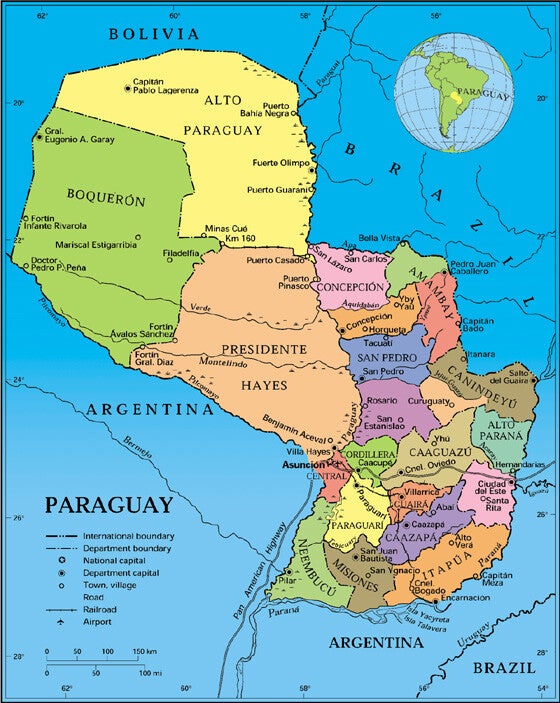
"El Paraguay es un país mediterráneo, situado en el centro de América del Sur, por lo que es considerado el "Corazón de Sudamérica".A través de sus fronteras, que suman 3.484 Km. de extensión, la República del Paraguay se vincula con tres grandes países - Brasil, Bolivia y Argentina - , con los que determinó sus límites mediante tratados y acuerdos de paz y amistad."
Which roughly translates to Paraguay is a Mediterranean country, located in the center of South America, which is why it is considered the "Heart of South America". Through its borders, which total 3,484km in length, the Republic of Paraguay is linked to three large countries - Brazil, Bolivia and Argentina - with which it determined its boundaries through treaties and agreements of peace and friendship.
The translation makes the information understandable to someone who does not speak Spanish. However, it is important to consider context when translating expressions. For example, "Heart of South America" is a figurative description of Paraguay's location, not a literal reference to a heart. Translation technology can make information more accessible, but it may not always communicate cultural expressions, humor, or regional language differences perfectly. I do believe that using Google Translate as a helpful tool while remembering that technology cannot completely replace cultural knowledge or direct communication.
Language influences our view of Reality
The phrase "language influences our view of reality" means that the language we speak can shape how we describe experiences, express emotions, and understand the world around us. Words carry cultural meanings, and some expressions do not translate perfectly between languages. Learning another language can help us recognize perspectives and experiences that might be unfamiliar to us.
Paraguay demonstrates this idea because Spanish and Guarani both contribute to the country's cultural identity. Understanding the importance of Guarani alongside Spanish helps outsiders appreciate that language is more than a way to communicate; it also connects people to their history, traditions, and communities. Although language does not completely determine how someone thinks, it can influence how people interpret and express their experiences. Some expressions have meanings beyond their literal definitions. And in understanding the cultural context is necessary to understand what someone actually means.
Overall, learning about Paraguay has helped me understand why language matters when exploring another culture. Whether I am using English, learning Spanish, or using translation technology, effective communication requires patience, cultural awareness, and respect for linguistic differences. Learning even a few basic phrases can help create more meaningful connections with people from another country.

Sources
Google. (n.d.). Google Translate. https://translate.google.com/
Ministerio de Relaciones Exteriores de la República del Paraguay. (n.d.). Perfil país. Consulado General de la República del Paraguay en Buenos Aires. https://www.mre.gov.py/congralpar-buenos-aires/el-paraguay/perfil-pais.html
Ministerio de Relaciones Exteriores de la República del Paraguay. (n.d.). Unidad de asuntos lingüísticos. https://www.mre.gov.py/unidad-de-asuntos-linguisticos/
Nordquist, R. (2025, April 29). English as a lingua franca (ELF). ThoughtCo. https://www.thoughtco.com/english-as-a-lingua-franca-elf-1690578
ThoughtCo article titled “What Is a Lingua Franca?” at https://www.thoughtco.com/what-is-a-lingua-franca-1691237
Create Your Own Website With Webador