The Beginning of My Cultural Journey
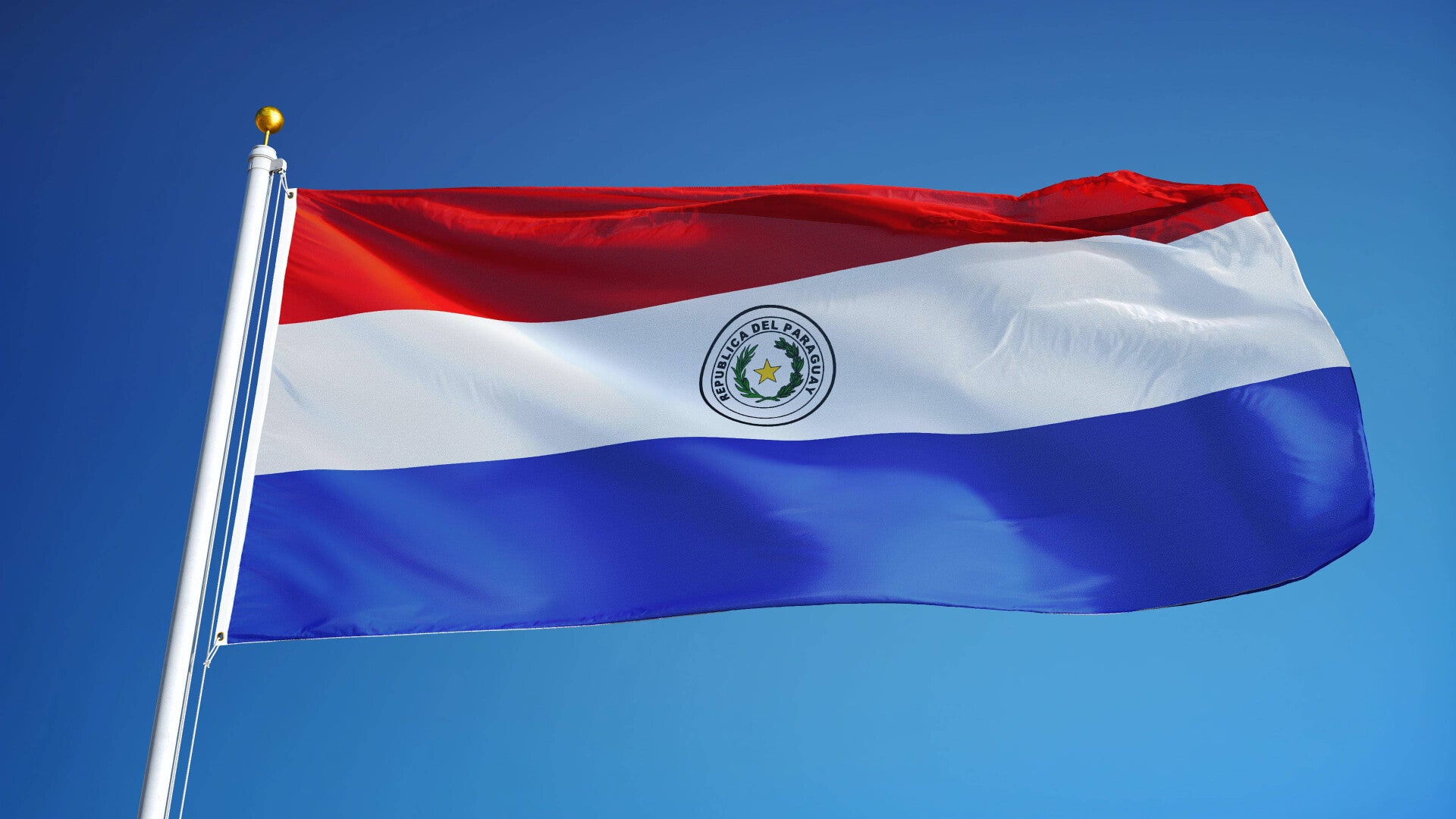
For my intercultural communication blog project, I chose to study Paraguay, a country located in the heart of South America. I chose Paraguay because I wanted to learn more about a culture that I did not know much about. While countries such as Brazil, Argentina, and Mexico are often more familiar to people in the United States, Paraguay is a country that I realized I knew very little about. This made it an interesting choice for a deeper cultural exploration.
I am especially interested in learning how Paraguayan culture influences the way people communicate with one another. Throughout this project, I hope to look beyond basic facts about Paraguay and develop a better understanding of the values, traditions, language, and experiences that shape everyday life for Paraguayan people.
How This Experience Could Affect My Communication.
I believe that taking a "deep dive" into another culture can make me a more effective intercultural communicator because it encourages me to slow down and question my own assumptions and even biases. It is easy to assume that the way we communicate is normal or universal simply because it is familiar to us. However, communication can look very different depending on someone's cultural background. This being said in attempts to broaden my horizons we will be studying Paraguay from the viewpoint of an American.
What Does It Mean to Study Another Culture Through Our Own Perspective?
"In studying other cultures, we do so very often from the perspective of our own culture." Often when studying other cultures, we begin to form opinions based on the perspective of our own culture. Meaning we naturally interpret unfamiliar behaviors using what we already know. Our own culture influences what we consider normal, polite, strange, respectful, or appropriate. Intercultural communication requires us to recognize that our own cultural perspective is not the only way of understanding the world. Because of this, I want to be careful not to make assumptions about Paraguay based solely on information from American sources or my own expectations. My goal is to understand cultural practices from the perspectives of people who actually live in and experience Paraguayan culture.
How I will Try to Keep My Research Accurate and Unbiased
In a modern world it can be hard finding reliable sources. I have found it is often more reliable to utilize research from governmental, organizations, and cultural institutions, with of course our favored academic sources. In attempts to wade out the effects of my own cultural biases I will distinguish between facts, general cultural patterns, and individual experiences. Just because something is common in a culture does not mean that every person from that culture behaves the same way. Paraguay is made up of individuals with different backgrounds, experiences, beliefs, and perspectives. Most importantly, I want to approach this project with curiosity rather than judgment. Instead of asking whether a cultural practice is "right" or "wrong" based on what I am used to, I want to ask what that practice means to the people involved.
Ultimately this project is about more than learning about Paraguay. It is an opportunity for me to learn how to look at another culture with an open mind and become more aware of the cultural perspectives I bring with me when communicating with others.
Introducing Culture
As we begin this "deep dive" I think it's important to remember that Paraguay is culturally and linguistically divers, an easy statement to remember as we investigate. The Paraguayan government identifies Spanish and Guarani as the country's official languages and also recognizes a wider range of indigenous languages. This made me interested in exploring how language and cultural identity influence communication, which I hope to investigate more throughout this project.


I understand little about Paraguay, my preliminary research has already shown me that Paraguay is much more culturally complex than I initially realized. Historian Peter Lambert described Paraguay as a "pluriethnic, plurilingual, and multicultural society," shaped by Indigenous, European, and other influences. This sparked an interest in looking beyond surface-level facts and learning more about how these different influences have shaped Paraguayan identity.
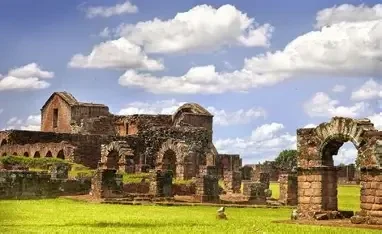
Paraguay is a beautiful country in the heart of South America, with an unusual history that has led to a modern culture that we see today. Continue to follow these blog posts to discover more of Paraguay's history.
As You Continue to Read
Throughout these blogs, I plan to explore topics such as Paraguayan food, holidays, music, language, traditions, family, communication styles, and other aspects of everyday culture. I want to use each topic to help me understand not only what people in Paraguay do, but also why these cultural practices are meaningful.
Sources and references
Unidad de Asuntos Lingüísticos – ministerio de relaciones exteriores de la república del paraguay. (n.d.). https://www.mre.gov.py/unidad-de-asuntos-linguisticos/
Lambert, P. (2015, August 3). Oxford academic - Oxford University Press. Paraguayan National Identity. https://academic.oup.com/
Butland, G. J. (2026, September 2). Paraguay - trade, agriculture, manufacturing | Britannica. Paraguay country, South America. https://www.britannica.com/place/Paraguay/Trade
Create Your Own Website With Webador